
Saint John of Mozarrifar
NeighborhoodVillageSan Juan de Mozarrifar, Spain
© 2026 Content Copyrighted and/or under License from What2visit. All rights reserved. No scraping or reproduction of this content allowed.
Description
Published by

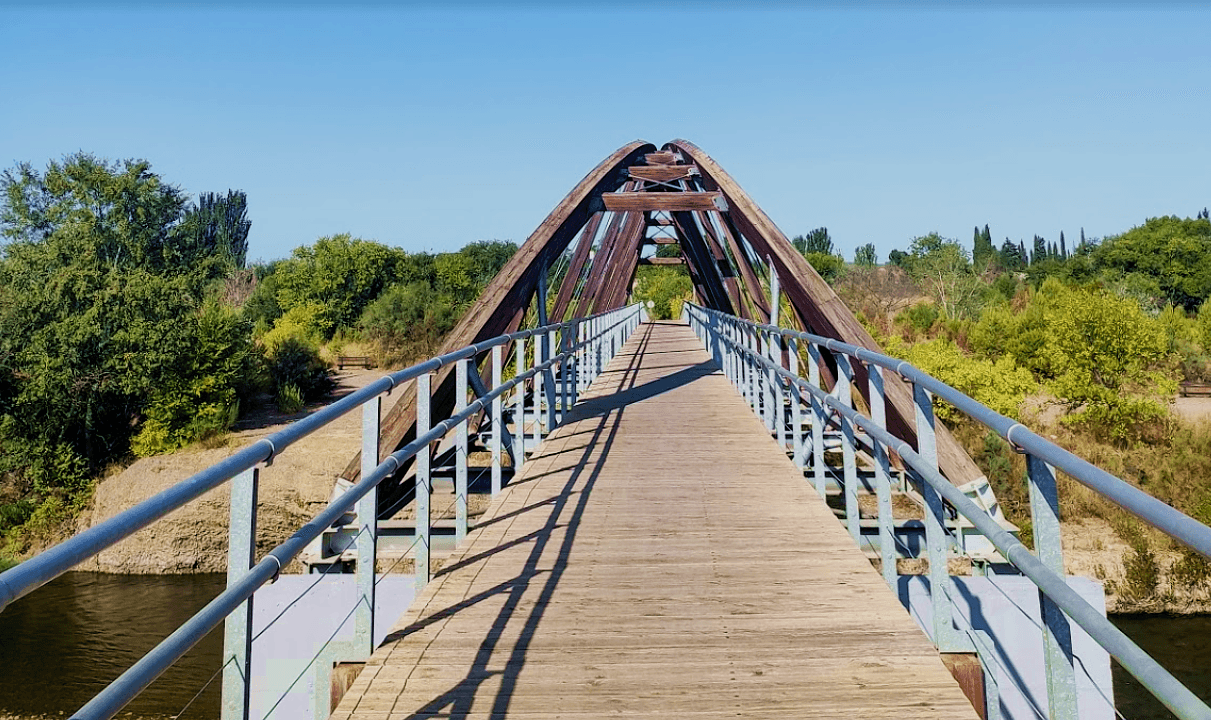
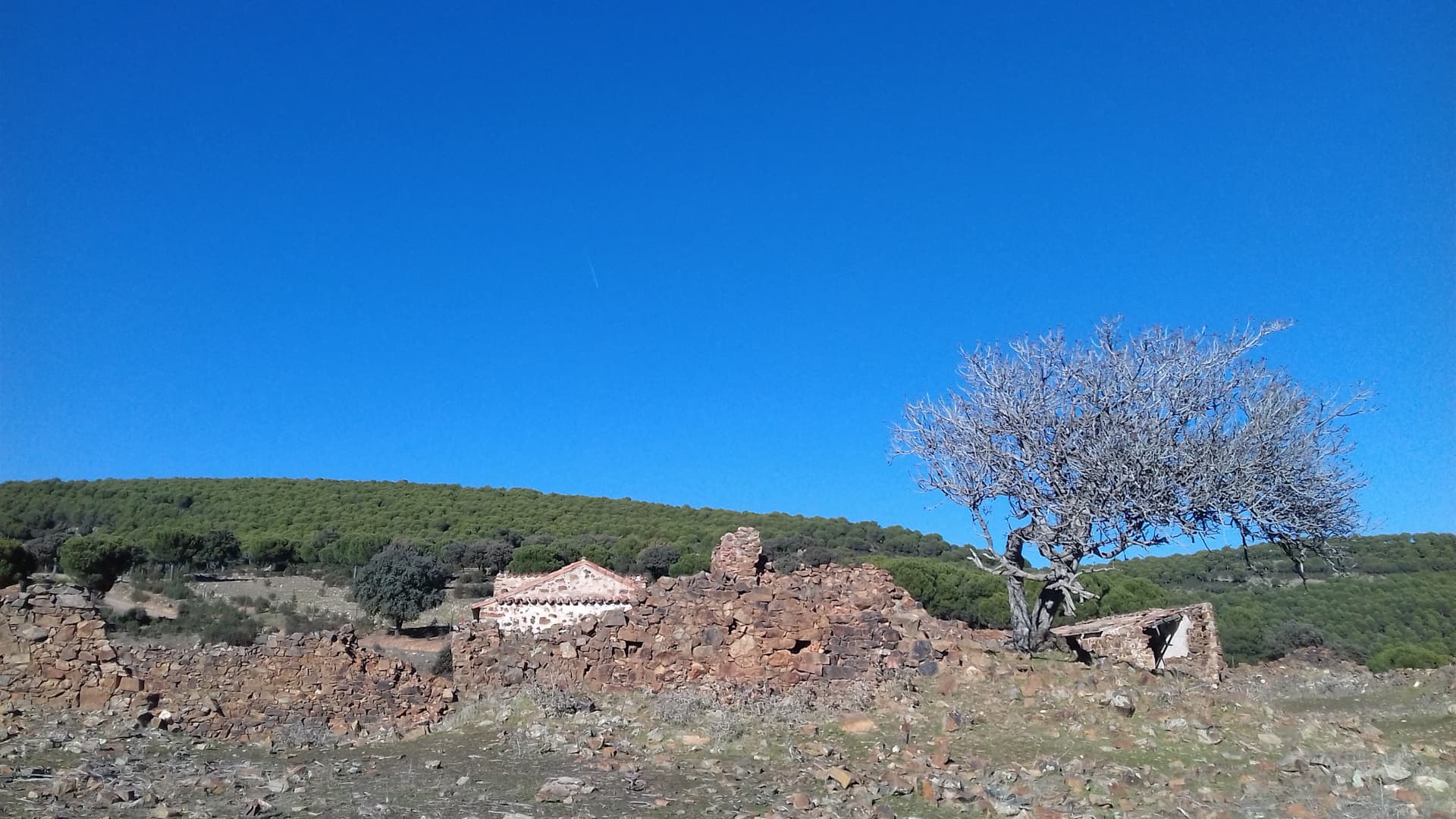
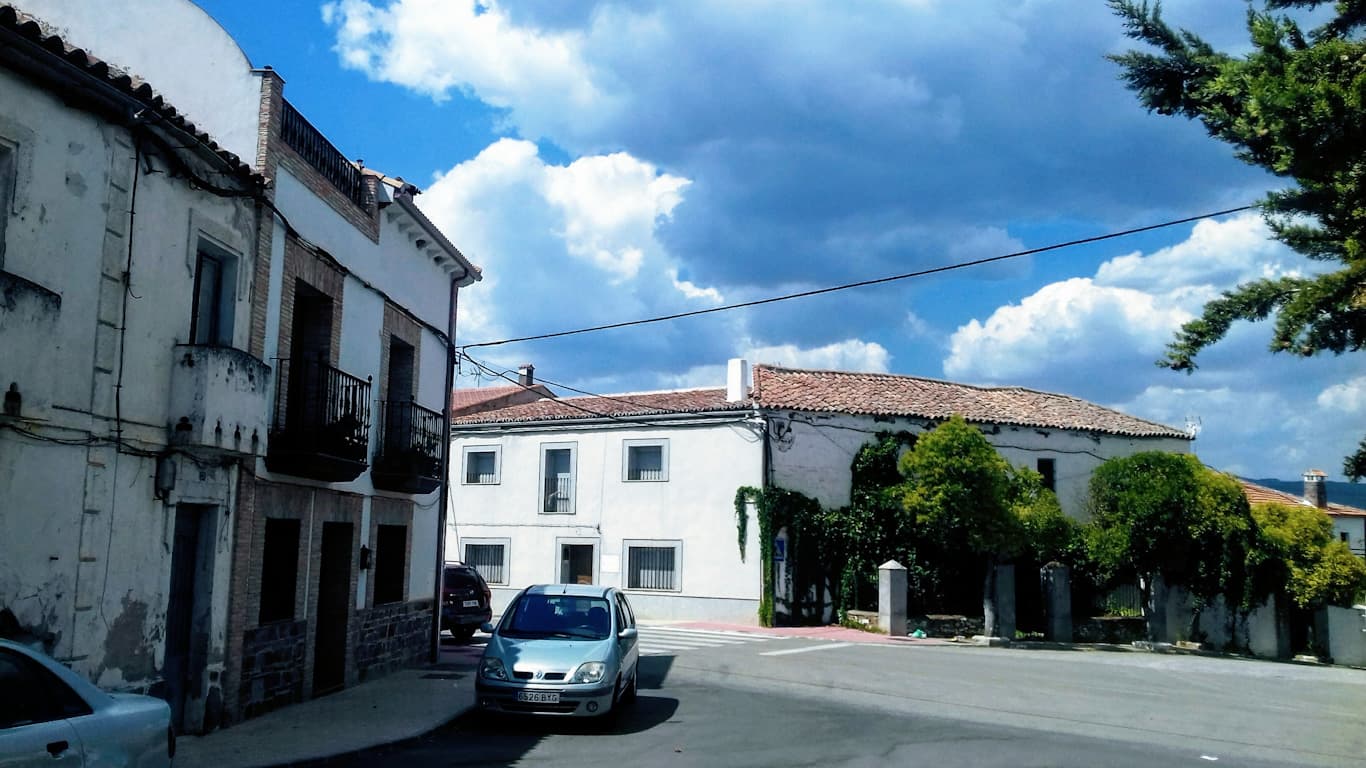
San Juan de Mozarrifar is a rural district of Zaragoza, located north of the city of Zaragoza at an altitude of approximately 213 meters. Its origins lie in an early settlement of the Order of Saint John of Jerusalem.
The conquest of Zaragoza by the troops of Alfonso I of Aragon and the subsequent publication of a colonization charter inviting settlers to populate a specific area of Zaragoza, bordered by Osera de Ebro to the east, Zuera to the north, Sobradiel to the west, and Cariñena to the south. Upon the surrender of the Arab troops, they remained in their lands, which were the most fertile. This was San Juan de Mozarrifar, and the irrigation system used by the Arabs remains in use to this day.
The first documented mention of the area appears in 1129, when a certain Raimundo Galindo purchased a vineyard from Abin Xarif, located within the district. This documentation refers to the area's agricultural wealth, as well as its sparse population. Regarding the evolution of the name, the neighborhood appears in its first document as "Mezazal," which would evolve into "Mozarrifar." After the expulsion of the Muslims, the particle "San Juan de" was probably added to signify its Christianization. During the Spanish Civil War, there was a concentration camp in the former facilities of the Las Navas Paper Mill on the banks of the Gállego River and next to the San Juan Tile Works, which until then had been occupied by the 20th Engineer Battalion and an Italian battalion supporting the Nationalist side. Republican prisoners, mainly from the Catalonia front, were crammed into it, at one point holding more than 3,000. In December 1939 it was converted into a prison and today it is an uninhabited building. Its economy has always been based on agriculture, thanks to the fertility and ease of irrigation of its lands. But industry has also been a determining factor in its history. The town had four tile factories, the Almorín and Gabás factory being the most important and remaining active until the 1970s. Next to it was the Las Navas paper mill, which closed in the 1920s. Its epicenter is Plaza España, where a large part of the services and shops of this Zaragoza neighborhood are concentrated. Continuing along Calle del Comercio, before leaving the town, on the right you can access the Las Navas industrial park. This industrial sector, very close to the town center, was revitalized in the 1960s with the construction of the industrial park, with some forty small companies setting up there.
Location
50820 San Juan de Mozarrifar, Zaragoza, Spain
Start navigationSchedule
Always open
Tickets
No ticket required
Location
Published by

What2visit
Zaragoza (Spain)